

THE END OF THE ERA OF KITCHEN SINK CONTENT IS NIGH
By Nicholas Pankiewicz, VP/GD Technology
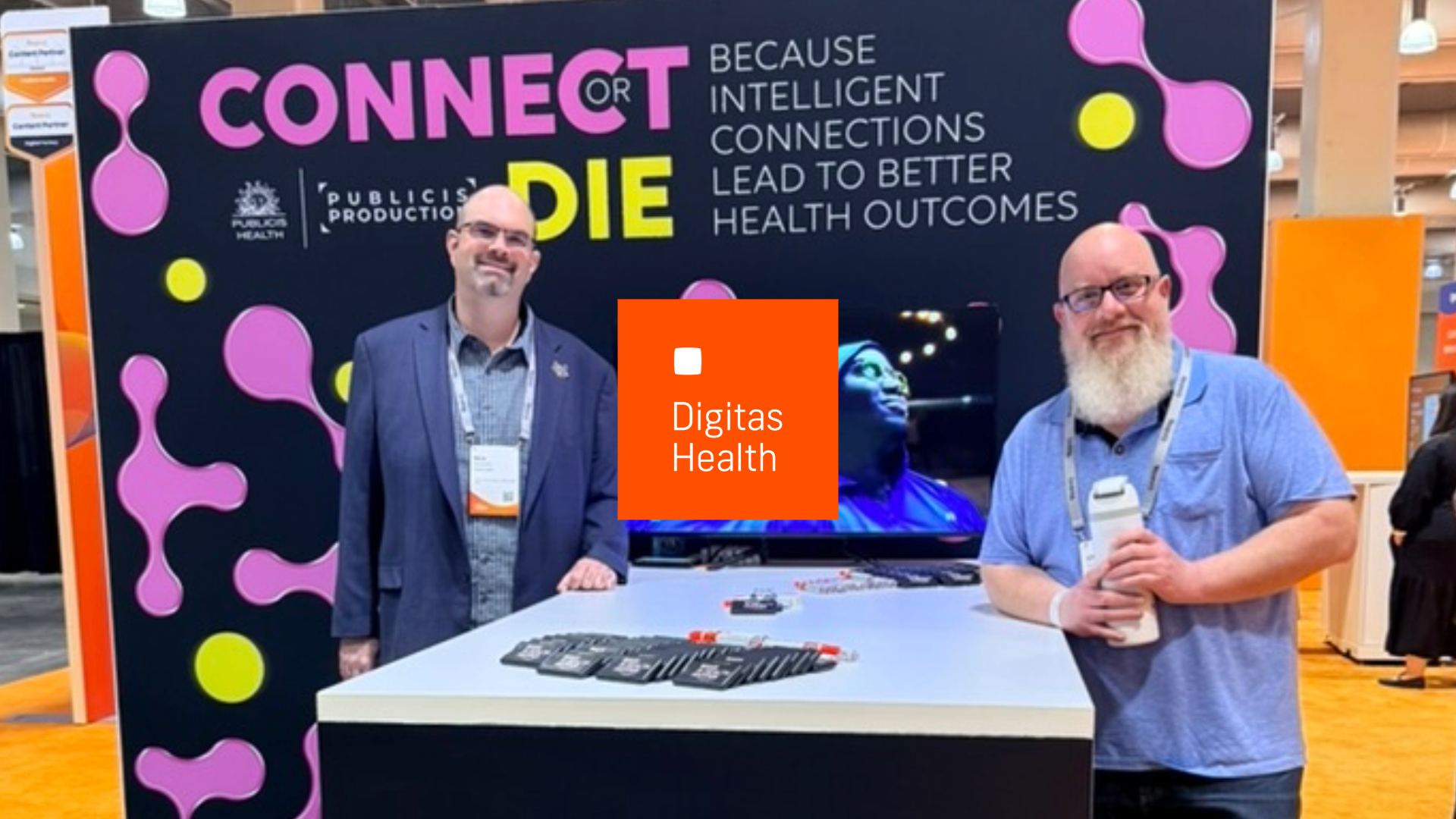
I just got back from the 2026 Veeva Commercial & Medical Summit, held again this year in Boston, where Publicis Health and Publicis Production were a gold-level co-sponsor. Reflecting on the past three days being immersed in everything Veeva, the key unspoken takeaway that kept echoing for me with every presentation was that the era of [everything including the…] “kitchen sink” content must end.
AI was what everyone was talking about. Create more content with AI. Approve more content with AI. Build more content with AI. But, conversations I had with various attendees involved in the MLR process, there was an underlying concern of what happens to the MLR teams who aren’t expanding in size, when amount of content they deal with continues to increases by around 20% each year?
What I took away from all the AI talk really highlighted one thing – we can let AI create content if we want content that is scattershot and voluminous. But really what we need is quality content that is targeted, focused, and aligns to the how the Rep/HCP interaction really happens.

Take your traditional HCP / Sales Rep “sales call” for instance. The last several years has seen Pharma marketing adopt the interactive visual aid (IVA) as the default vehicle for creating and showcasing all content and claims. But the ease of creating this content has already led to bigger and more complicated presentations for Reps to carry around on their iPads – slides sometimes numbering into the hundreds. And this is two years after Veeva’s 2023 HCP Pulse Field Report showed that more than 75% of IVA content is “rarely or never seen”.
There are three key things our user experience research has shown need to happen for IVAs. Nothing presented this week at the Veeva Summit change these.
#1 – The goal of any of IVA presentations is to keep an HCP’s attention. Once the Rep loses that attention, the call is blown. We need simple interactions without fumbling over controls, overblown interactivity or lengthy “passive” videos.
#2 – The nature of the Rep/HCP interaction must be the core driving force. When Reps have 1-2 minutes and can only discuss 1-2 slides, what’s on those slides becomes paramount.
#3 – An IVA is a presentation and needs to be treated as such. The number one complaint we hear from HCPs is that IVA slides are too crowded and hard to glean information from quickly. Short, flexible stories that consist of a couple slides each are the way to go.
One memorable conversation I had this week was with a Sales Rep whose portfolio included several rare disease brands. I asked her how many presentations and slides she was given from her Marketers. She wasn’t completely sure, but it was somewhere between 50 and 100 total slides. I asked her how many slides she used regularly. That was “maybe 5 or 6” with “another 5 or 6” used infrequently for specific questions and such from HCPs. Creating 100 slides, but maybe 10% of those are used at all.
So, what does this all tell us?
Content is king – and it always will be. But that doesn’t mean we should endlessly create content. Or to use AI to generate loads of derivative content. An IVA can not and should not be a “core claims” document (there are more and frankly better ways to handle that) that includes everything possible about a product. We have to remember what and how these IVAs are used. As such, quality content must be our goal.
The era of kitchen sink content must end.
Three out of every four slides are rarely or never looked at. Our goal here is to identify the other 25%, how they are effective, and why they are effective. It’s how we, as Marketers, can provide a guiding light for Reps and HCPs to help in this new era of AI.