

AI IS EXPANDING CREATIVITY, NOT REPLACING IT
By Publicis Health
As artificial intelligence continues to transform industries, much of the conversation has centered on efficiency. Faster workflows. Automated processes. Increased productivity.
But what if AI's greatest opportunity isn't efficiency at all?
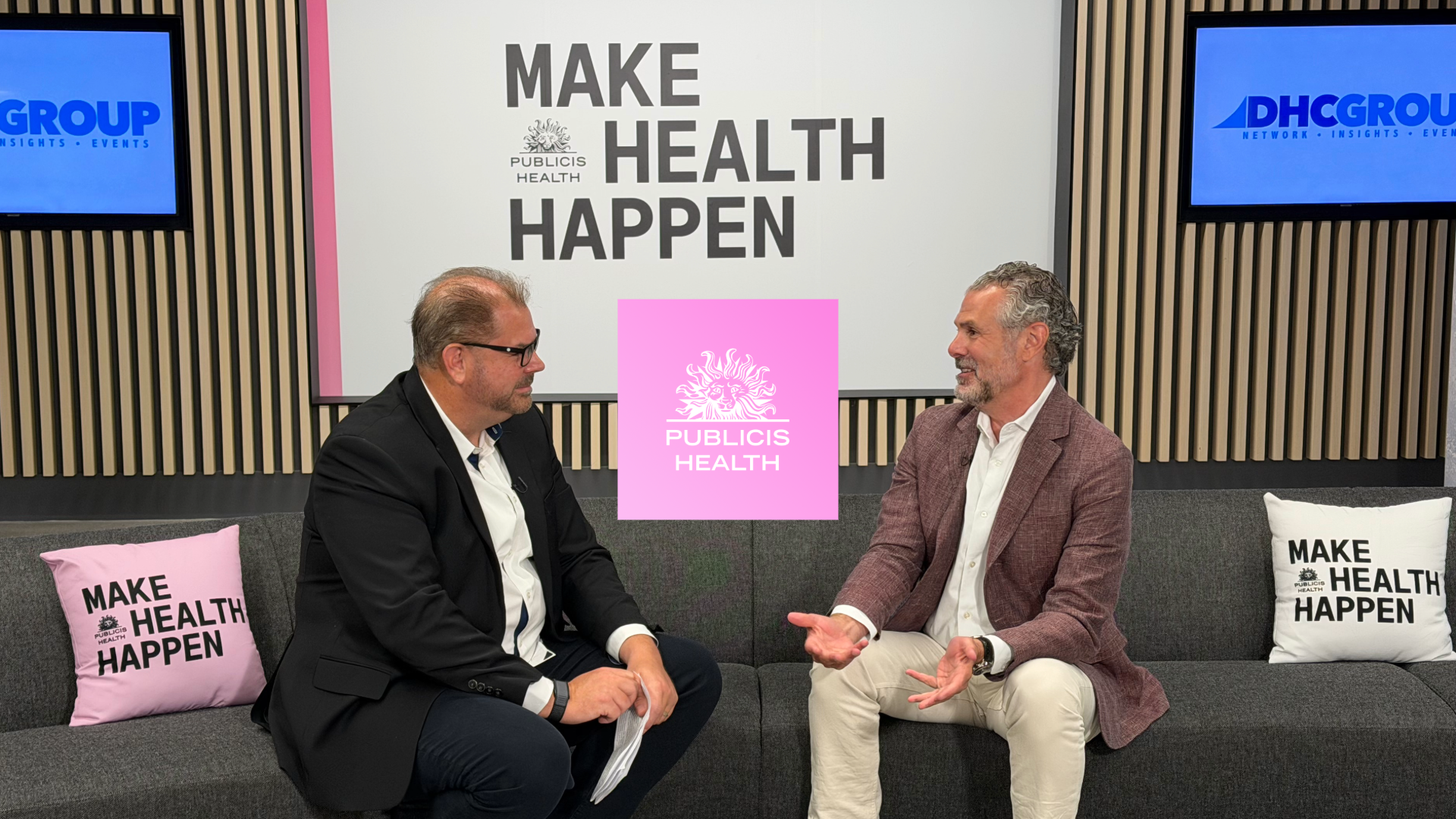
In a recent DHC Group Disruptive Dose, Craig Romanok, Chief Commercial Officer at Digitas Health/Publicis Health, joined Mark Bard to discuss the evolution of pharma marketing and the forces shaping its future. Drawing on three decades of industry experience, Craig offered a perspective that cuts through much of today's AI discourse: creativity remains the true currency of healthcare marketing.
The Constant in an Industry Defined by Change
Healthcare marketing has experienced tremendous transformation over the last 30 years. The rise of digital channels, the explosion of data, and the shift toward more consumer-driven experiences have fundamentally reshaped how brands engage with patients and healthcare professionals.
Yet amid all this change, one thing has remained remarkably consistent. Great ideas still matter most.
Technology can accelerate execution, provide new insights, and unlock new ways of working. But meaningful innovation continues to begin with human imagination. The organizations that stand out are not simply those with the most advanced tools. They are the ones using those tools to create more relevant, empathetic, and impactful experiences.
The Consumerization of Health
Another key theme from the conversation was the ongoing consumerization of healthcare.
Today's patients approach healthcare differently than previous generations. They expect the same degree of personalization, accessibility, and convenience that they experience in other aspects of their lives. Information is more readily available, expectations are rising, and traditional distinctions between healthcare experiences and consumer experiences continue to blur.
For healthcare marketers, this shift presents both a challenge and an opportunity. Success increasingly depends on understanding consumers not only as patients, but as people navigatingcomplex healthcare journeys while balancing the expectations they have developed in every other category.
Moving Beyond the Efficiency Mindset
Perhaps Craig's most compelling observation was his challenge to the prevailing narrative around AI.
Too often, AI is framed solely as an efficiency tool. While productivity gains are undeniably important, focusing exclusively on efficiency risks overlooking AI's broader potential.
Instead, Craig suggests viewing AI as a catalyst for ideas. A tool that can help teams think bigger, explore more possibilities, and unlock new forms of creativity. In this view, AI becomes less about replacing human ingenuity and more about expanding it.
This shift in perspective matters. The future will not belong simply to organizations that can do the same work faster. It will belong to those that can combine technology with strategic thinking, creativity, and human insight to create entirely new possibilities.
A Multi-Lens Approach to AI
As organizations continue to explore the role of AI, Craig also emphasizes the importance of avoiding a one-dimensional strategy.
There is no single AI use case that will define success. The most effective organizations will look at AI through multiple lenses, evaluating how it can support creativity, operations, customer experience, strategy, and innovation simultaneously.
This broader perspective enables organizations to move beyond experimentation and toward meaningful transformation.
Looking Ahead
The healthcare industry is entering a new era, one shaped by changing consumer expectations, rapid technological advancement, and unprecedented opportunities for innovation.
As Craig's conversation with Mark Bard highlights, navigating this future will require more than new tools. It will require a continued commitment to creativity, curiosity, and human-centered thinking.
Because while technology continues to evolve, great ideas remain timeless.